Sustainable Fashion: Embracing Eco-Friendly Choices for a Greener Future
In recent years, the conversation around sustainable fashion has gained significant traction. With the fashion industry being…
In recent years, the conversation around sustainable fashion has gained significant traction. With the fashion industry being one of the largest polluters in the world, consumers are becoming more aware of their purchasing decisions. The question arises: how can we embrace eco-friendly choices while still looking fashionable? This article delves into the importance of sustainable apparel and how to make informed choices that contribute to a greener future.
At the heart of sustainable fashion is the idea of reducing our environmental impact. This can be achieved through various means, including choosing materials that are biodegradable, organic, or recycled. For instance, organic cotton is grown without harmful pesticides and chemicals, making it a better choice for the environment compared to conventional cotton. Brands like Reformation and Patagonia are leading the way by incorporating eco-friendly materials into their collections, allowing consumers to look stylish while making a positive impact.
Another significant aspect of sustainable fashion is the ethical production process. This involves ensuring fair labor practices and safe working conditions for garment workers. When purchasing apparel, it’s essential to research the brands and understand their production methods. Certifications like Fair Trade and GOTS (Global Organic Textile Standard) can guide consumers towards companies that prioritize ethical practices. By choosing to support these brands, you are not only making a fashion statement but also advocating for the rights of workers globally.
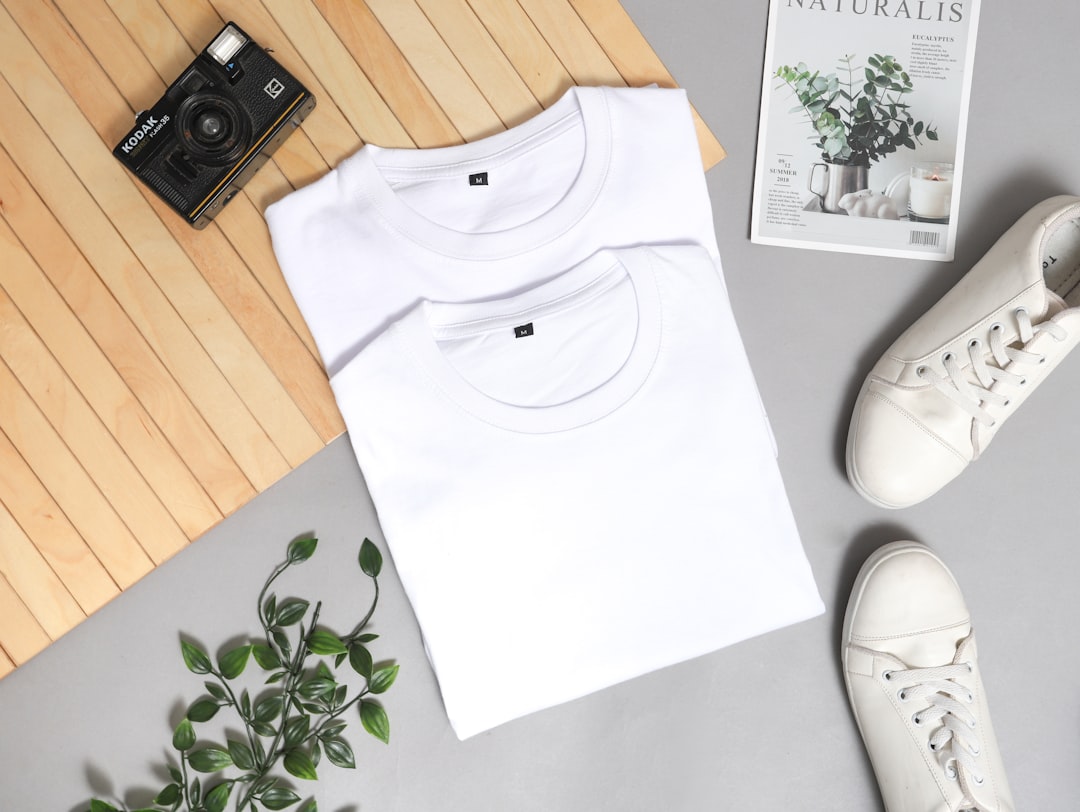
One of the most effective ways to promote sustainability in fashion is by embracing a minimalist wardrobe. The concept of a capsule wardrobe encourages individuals to curate a collection of versatile pieces that can be mixed and matched, reducing the need for excessive shopping. By focusing on quality over quantity, you can create a sustainable wardrobe that stands the test of time. This approach also encourages mindful consumption, where each piece is carefully considered before purchase.
Additionally, second-hand shopping is a fantastic way to adopt sustainable fashion. Thrift stores, vintage shops, and online resale platforms provide an abundance of options that are both stylish and eco-friendly. By giving pre-loved garments a new life, you contribute to reducing waste and promoting a circular economy. You’ll not only save money but also discover unique pieces that add character to your wardrobe.
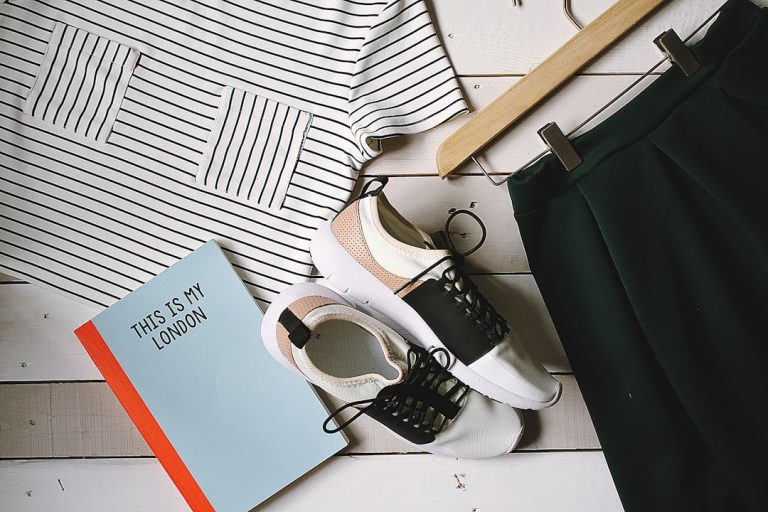
Sustainable fashion isn’t just about clothing; it extends to accessories as well. Brands that create bags, shoes, and jewelry from recycled or sustainable materials are making strides in this area. For example, companies like Veja produce sneakers from organic materials and prioritize fair trade practices. Investing in such products not only elevates your style but also supports sustainable initiatives.
Moreover, DIY fashion has emerged as a creative outlet for those looking to customize their wardrobes while being eco-conscious. Upcycling old garments into something new is a fun way to express your creativity. Whether it’s transforming an oversized shirt into a chic crop top or adding embellishments to a plain jacket, the possibilities are endless. Not only does this reduce waste, but it also allows you to craft unique pieces that reflect your individual style.
The impact of social media cannot be overlooked in the sustainable fashion movement. Influencers and activists are using their platforms to advocate for eco-friendly choices, inspiring followers to rethink their fashion habits. Engaging with sustainable fashion communities online can provide valuable insights, tips, and resources for those looking to make a change.
In conclusion, embracing sustainable fashion is a collective journey towards a greener future. By making conscious choices, supporting ethical brands, and exploring second-hand options, we can significantly reduce our environmental impact. Fashion is not just about aesthetics; it’s about making choices that align with our values and contribute to the well-being of our planet. Let’s redefine what it means to be fashionable by choosing sustainability, one outfit at a time.